High Replacement Costs
Organizations and consumers may need to replace entire garments when only one visible component requires updating, increasing apparel costs while reducing the long term value of the garment.
Modular Apparel Technology
Organizations and consumers often replace entire garments to accommodate new branding, updated uniforms, changing roles, seasonal needs, or different occasions. Traditional apparel offers limited flexibility, requiring new garments rather than allowing existing ones to adapt.
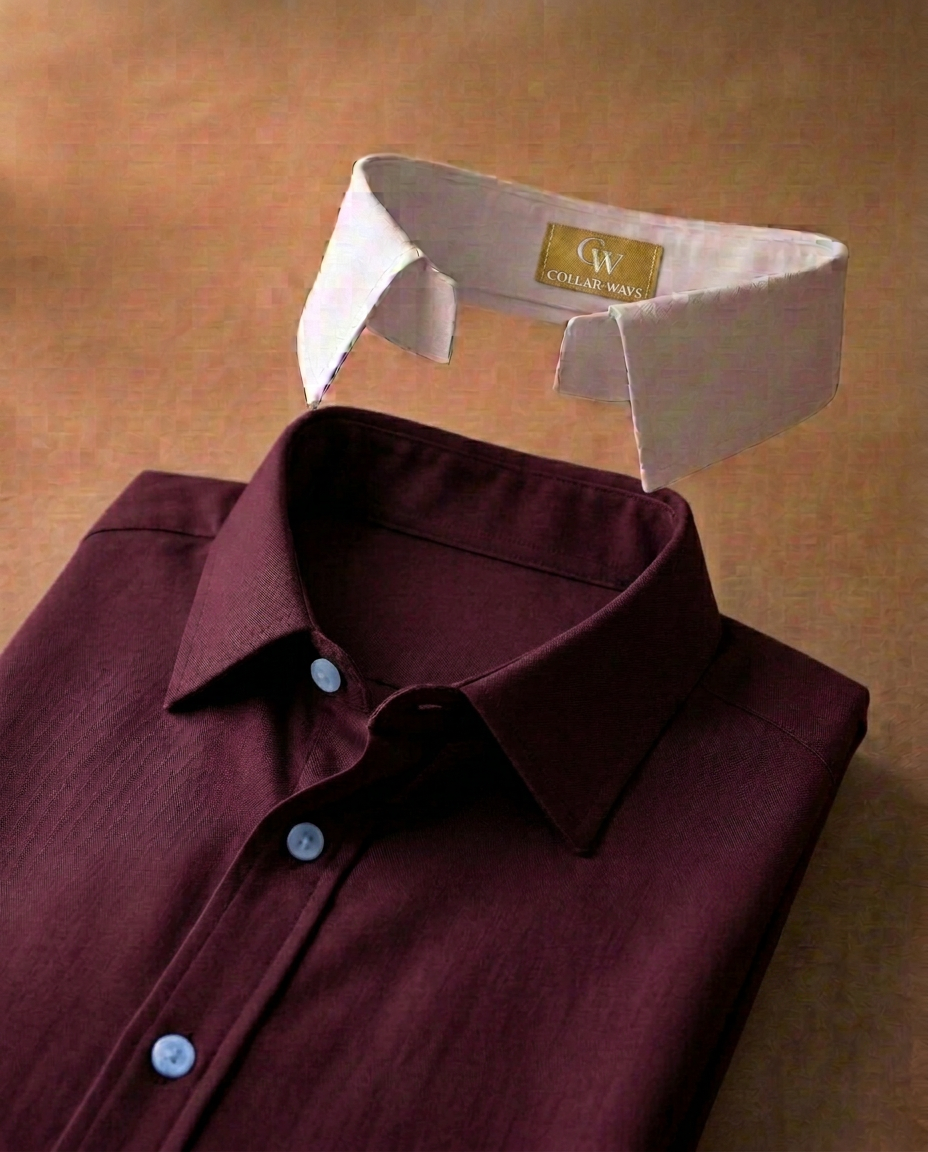
Collar-Ways addresses this limitation with a removable, interchangeable collar system designed to fit over and conceal an existing garment collar, enabling users to quickly transform its appearance, branding, or function without replacing or permanently altering the original garment.
Veteran-Owned | Patent-Pending | Designed for Apparel Innovation
The Challenge
Organizations and consumers frequently replace complete garments when collars become worn, branding changes, uniforms require updating, or a different appearance is needed. Traditional garments provide limited flexibility for customization, role identification, seasonal updates, and special events.
Organizations and consumers may need to replace entire garments when only one visible component requires updating, increasing apparel costs while reducing the long term value of the garment.
Traditional apparel offers limited flexibility for modular customization, often requiring separate garments to support different brands, roles, occasions, or organizational identities.
Traditional apparel often results in the replacement of otherwise usable garments when only a visible component requires updating, increasing material consumption and textile waste.
The Solution
Collar-Ways is developing a modular textile interface that enables compatible garments to support removable and interchangeable collar components while preserving the appearance and function of the underlying garment.
Future Capabilities
Future Collar-Ways capabilities may integrate technologies such as RFID and NFC to enable digital identification, authentication, inventory management, and interactive brand experiences.
Applications
Update branding, departments, employee roles, or special campaigns.
Adapt uniforms for events, seasons, service levels, or brand experiences.
Create premium branded apparel experiences for sales and service teams.
Add modular customization and potential recurring accessory revenue to existing garment lines.
Business Value
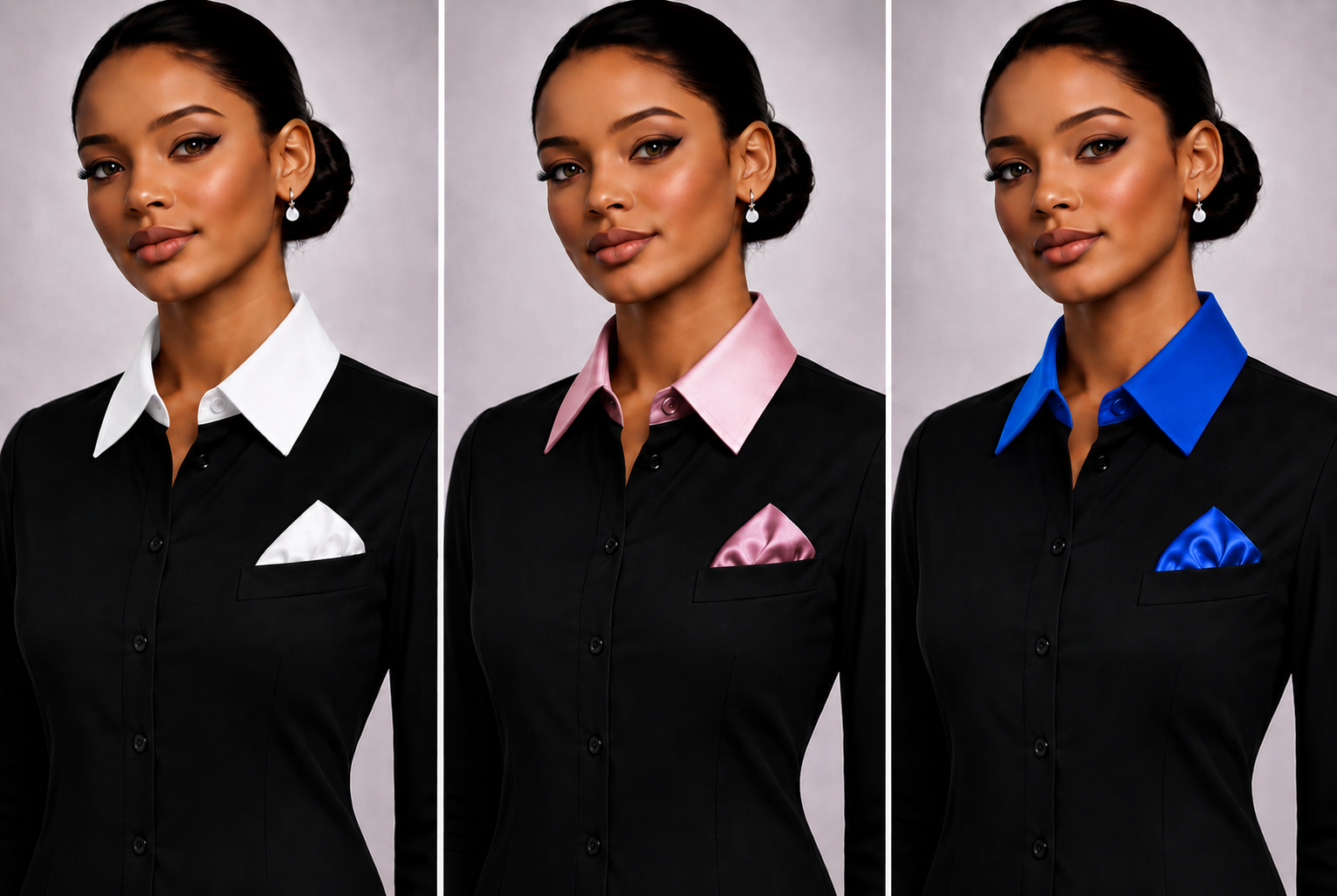
One compatible garment can support multiple styles, identities, and applications.
Organizations may update a garment's appearance without replacing the entire garment.
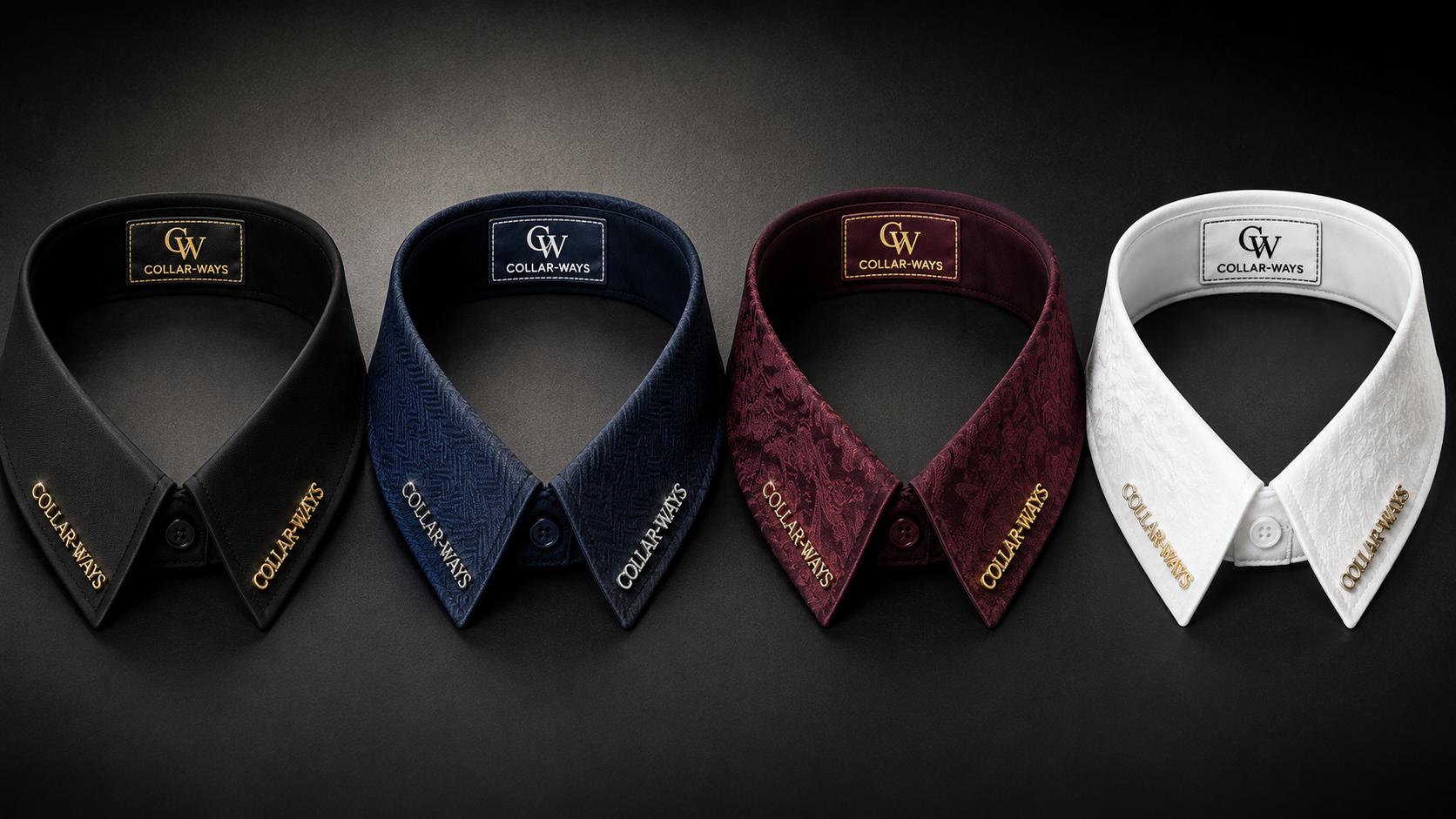
Collar components can support organizational colors, logos, patterns, and event themes.
Extending garment use may reduce replacement demand and unnecessary textile waste.
Pilot Program
Collar-Ways is seeking selected organizations, apparel professionals, and early adopters to participate in product evaluations, pilot opportunities, and commercialization discussions. Pilot participants will help evaluate fit, usability, durability, appearance, attachment performance, and commercial applications. Pilot participants will help evaluate fit, usability, durability, appearance, attachment performance, and commercial applications.
For dealerships, hospitality companies, universities, uniform programs, and other organizations.
For manufacturers, designers, textile companies, and established apparel brands.
For organizations interested in integrating or commercializing Collar-Ways technology.

Corey A. Cooper
Founder, CEO & Inventor
About the Founder
Corey A. Cooper is the Founder and CEO of Collar-Ways and a retired U.S. Army officer with more than 22 years of leadership experience. He has managed complex organizations, multidisciplinary teams, and major financial programs. Corey is also an inventor, holds a U.S. patent, and has completed the NSF Regional I-Corps Program, receiving formal training in customer discovery, market validation, and technology commercialization.
Development Status
Customer discovery
Multiple functional prototypes developed
Attachment approaches evaluated
Provisional patent application filed
Product refinement and engineering
Pilot-partner engagement
Manufacturing and licensing development
Get in Touch
Discover how modular apparel can create new opportunities for customization, branding, garment longevity, and customer engagement.